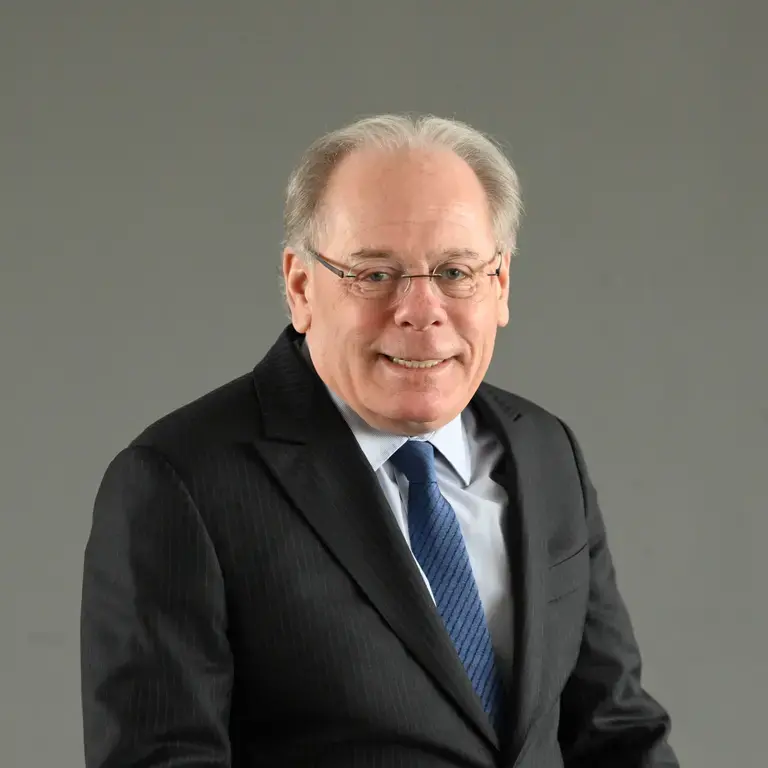
By Steven Cohen, Ph.D., Director of the M.S. in Sustainability Management program, School of Professional Studies
One important feature of street life in New York City’s commercial districts is the presence of street vendors of many varieties offering low-priced food and goods. Many of these vendors are community fixtures, but some operate outside the law and violate rules. The city is in the process of moving street vending from its place in the underground economy, subject to frequent citations, to a more regulated part of the city’s vibrant small business ecosystem. Some brick-and-mortar small business owners consider vendors unfair competition since the vendors don’t pay rent. It’s the mayor’s job to balance and support both of these important elements of our small business community. According to the NYC Office of the Public Advocate,
“Non-compliance among street vendors does not necessarily indicate malicious intent. Significant difficulties exist for both vendors and established businesses in determining the appropriate locations for vending, often leading to operations outside of established legal frameworks. Street vendors are required to be located a certain distance from a street curb, building, building entrance, and crosswalks… According to New York City’s sidewalk regulations and data…approximately 80% of the city’s sidewalks…[are] not…wide enough to permit legal street vending…These rules, combined with caps on the number of available general vending licenses, create significant challenges for street vendors in New York City, leading many to operate without permits or face substantial fines.”
Badly regulated vending can hurt nearby businesses, while well-regulated vending can increase foot traffic and revenue for stores as well. The key is to promulgate and enforce rules that facilitate street vending while protecting store owners. The Mamdani Administration seems serious about implementing a proactive, rules-based system of vendor regulation. In late March, the mayor appointed Carina Kaufman-Gutierrez as the first Executive Director of a new Office of Street Vendor Services at the Department of Small Business Services. Kaufman-Gutierrez is a well-known street vendor advocate who will build this new regulatory system.
Over the past several decades, there has been controversy about implementing vendor rules. In 2020, under the de Blasio administration, enforcement of vendor rules was transferred to the Sanitation and Health departments. Mayor Adams returned enforcement to the NYPD. The new rules passed by the City Council attempt to decriminalize enforcement, but that will only work if vendors are given opportunities to obtain permits and learn the rules governing street vending.
On the sidewalk on Broadway outside my office at Columbia University, there are a variety of very popular food vendors offering students and others in the community low-priced food from all over the world. Down the street, there are often people setting up card tables and selling used books and recorded music. Twice a week, we also have a vibrant green market that sets up south of the campus gates on Broadway. Canal Street has long been famous for its eclectic collection of merchandise from phony designer handbags to socks and hoodies. For many immigrants, this is the first step in establishing a business that might someday become a brick-and-mortar store. The hard work of street vending and the determination of street vendors is a ground-level manifestation of the American dream. Street vendors work long hours in often difficult weather conditions. The mayor framed the issue well in the press release announcing his appointment of Kaufman-Gutierrez:
“Our street vendors are not a problem to solve — they are a community to support. They feed us, they employ us, and they give our streets life at every hour. Many New Yorkers' fondest memories are of grabbing late-night food at their local taco truck or halal cart. But City Hall has too often made their work harder instead of helping it thrive. That changes now,” said Mayor Mamdani. “With this office and with Carina’s leadership, we will fundamentally transform the relationship that street vendors have with the City. By streamlining bureaucracy and working closely with street vendors themselves, we can lower costs for vendors and their customers alike.”
The challenge will come when the former vendor advocates staffing and leading the new office face the unwelcomed task of ensuring that violations of the rules are enforced. If a vendor sets up a coffee cart in front of a local diner and blocks its entrance, the rules preventing that obstruction must be enforced. It does not need to be criminal enforcement, but it must be sufficient to modify behavior. The daunting task that the new office will face is achieving a balance between the interests of the street vendors, the interests of small business owners, and the public interest. The public interest is not served by chaos and disorder in the streets, and that is also not truly in the interest of vendors either. But respect for the rules and law and order is a difficult transition for those used to operating in an underground economy. Kaufman-Gutierrez has the credibility needed with the vendor community to possibly facilitate the transition, but it requires that she play a different role as the head of this office. She must also develop a solid relationship with the bodega owners and other businesses who might prefer that vendors disappear.
Moreover, there is an issue with the ideological bent of the Mamdani administration and its sometimes-inadvertent articulation of political principles without considering indirect impacts. We saw that recently with the mayor’s ill-advised video in front of the luxury apartment of billionaire businessman Ken Griffin on Central Park South, crowing about the proposed tax on high-priced apartments that were not primary residences. According to a report in U.S.A. Today:
“Last week, Griffin's company, Citadel LLC, put out a statement to its employees slamming the use of the CEO's $238 million home in Mamdani's video explaining his new pied-à-terre tax. The new tax plans to "levy an annual surcharge on one to three family homes, condominiums and co-ops valued above $5 million when owners have a separate primary residence outside of New York City," the city says. “It is shameful that he used Ken’s name as the example of those who supposedly aren’t carrying their fair share of the burdens associated with New York City’s often costly and wasteful spending,” Gerald Beeson, Citadel's COO said, as reported by Wall Street Journal. In the email sent to employees, Beeson also hinted at the prospect of Citadel not going through with a multi-billion dollar project in the city.”
The work of city government requires a pragmatic, street-level understanding of the actual operation of the city’s political economy. Griffin is not a foreign investor buying an apartment in a city he visits twice a year. He is a major contributor to the city’s philanthropic and business community. Similarly, the small business owners who may feel threatened by street vendors contribute to the city’s tax base as well. There is a good argument for legitimizing the vendor element of the small business community. But all stakeholders, including the store owners and operators, need to be treated fairly. If the new office is perceived as biased toward the vendors, it will not do well. Putting a vendor advocate in charge is risky, but I am reminded that over half a century ago, anti-communist zealot Richard Nixon opened diplomatic relationships with “Red” China. Sometimes counter-programming works.
There may indeed be a good argument for taxing high-end residences owned by people who do not contribute to the city’s economic or cultural life. That is a policy debate we should encourage. But identifying and shaming someone because he is rich and successful endangers the individual identified, sends a terrible message to young people and the business community, and is an example of ideology run amok. The mayor was elected in part due to his social media skills. But social media from a mayor requires gravitas and discretion that differ dramatically from the messages needed for a contemporary political campaign. I recognize that I grew up in a different culture. I confess that when I see someone spike the football in the endzone, I cringe. I think of Joe DiMaggio circling the bases with his head down after he hit a home run, trying his best to avoid humiliating the pitcher. Joe D. knew that the next time he was up at bat, that same guy might throw a fastball at his head. If Ken Griffin takes his businesses to Miami, and the local bodega owner moves his store to Jersey City, our mayor and his team will be experiencing the equivalent of the humiliated pitcher throwing a fastball at their heads.
Being New York’s mayor is a tough job. Every mayor spends their first year in office learning its many political and managerial dimensions. Some, like Koch and Bloomberg, figured it out. Others like de Blasio and Adams remained clueless. I am hopeful that our Bank Street and Bronx Science-educated mayor will rise to the occasion, but we won’t really know until sometime in 2027.
Views and opinions expressed here are those of the authors, and do not necessarily reflect the official position of Columbia School of Professional Studies or Columbia University.
About the Program
The Columbia University M.S. in Sustainability Management program offered by the School of Professional Studies in partnership with the Climate School provides students cutting-edge policy and management tools they can use to help public and private organizations and governments address environmental impacts and risks, pollution control, and remediation to achieve sustainability. The program is customized for working professionals and is offered as both a full- and part-time course of study.