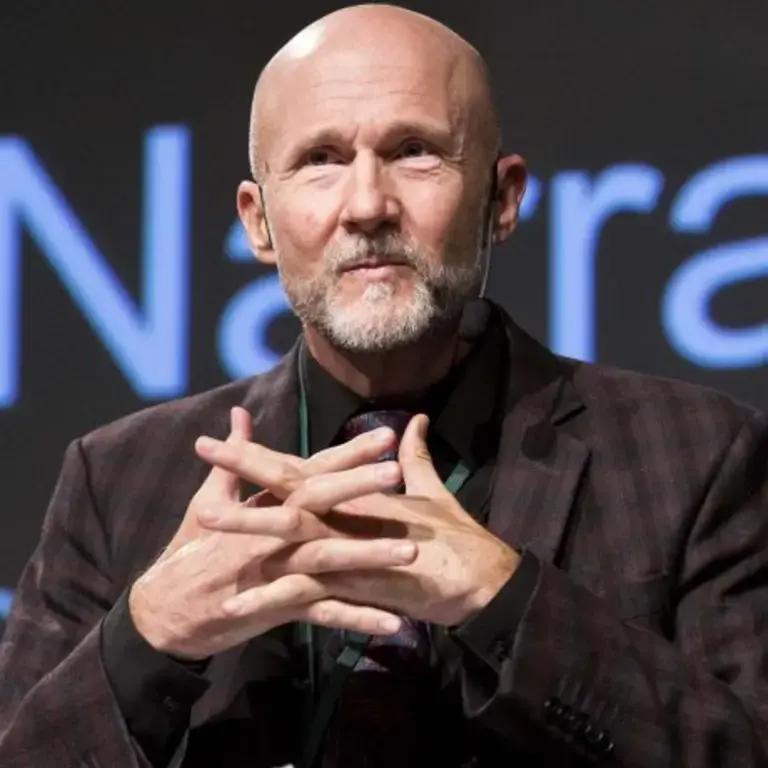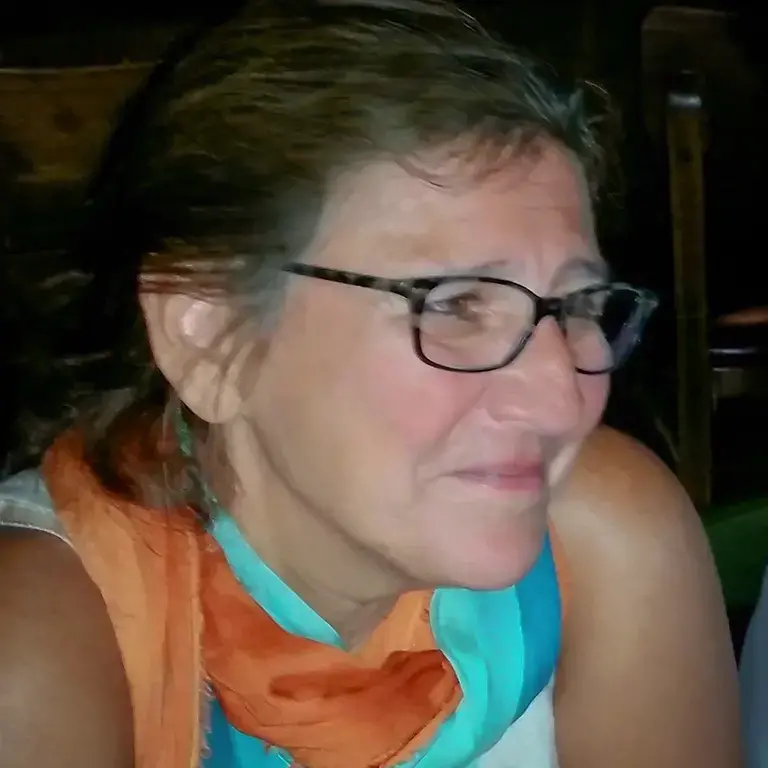
September Narrative Medicine Rounds with Dr. Mindy Fullilove
"The Joy of Justice Served: The Healing Properties of K-drama," a conversation with Dr. Mindy Fullilove, moderated by Dr. Maura Spiegel & Dr. Craig Irvine.
For our opening Rounds of the 2026-2027 season, we are thrilled to welcome Dr. Mindy Thompson Fullilove, social psychiatrist and the Helen and Robert Fullilove Professor of Community Health at the University of Orange. Mindy Thompson Fullilove, MD, DLAPA, Hon AIA has conducted research on AIDS and other epidemics of poor communities, with a special interest in the relationship between the collapse of communities and decline in health. She is the author of over 100 scientific papers and nine books. Among her books are Root Shock: How Tearing Up City Neighborhoods Hurts America and What We Can Do About It, Urban Alchemy: Restoring Joy in America’s Sorted-Out Cities and Main Street: How a City’s Heart Connects Us All. Her new book, The Tao of K-Drama: Wise Narratives for a Troubled World, will be released September 14, 2026, from Oxford University Press as the first book in OUP’s new Narrative Medicine Series.
In The Tao of K-Drama: Wise Narratives for a Troubled World, Dr. Fullilove analyzes K-dramas–South Korean television series–from a social psychiatry perspective, making a compelling case for popular storytelling as a form of narrative medicine: a way of countering isolation, metabolizing trauma, and restoring social imagination. Inviting readers to watch differently--and to feel differently--The Tao of K-Drama reveals how stories can become shared tools for survival, connection, and healing in an increasingly fragmented world.
K-dramas--South Korean television series that have captivated audiences worldwide--are often described as addictive, immersive, and emotionally generous. But in The Tao of K-Drama, Mindy Thompson Fullilove, MD, argues that they are something more consequential: a global site of collective meaning-making, where hundreds of millions of viewers encounter shared narratives of rupture, endurance, and repair. Far from mere entertainment, K-dramas offer a sophisticated vocabulary for living with--and through--trauma.
At the heart of The Tao of K-Drama is a bold claim: that K-dramas form a sophisticated literature of healing, born from a culture that has endured catastrophe and learned how to recover from it. These stories begin where many Western narratives hesitate--at the site of trauma itself--and linger there long enough to teach us how injury reshapes individuals, relationships, and communities. Drawing on seven K-dramas as case studies, Fullilove shows how the genre's distinctive narrative arc moves steadily toward restoration, guided by a deep belief in human change and collective possibility. Recovery, these dramas insist, is not only personal but also social--and it unfolds not only within individuals but across families, neighborhoods, and cities. Reading seven K-dramas in depth, Fullilove follows the movement from injury to restoration as it travels through intimate lives and shared social spaces, showing how recovery is imagined, practiced, and sustained across entire communities. Her readings move with ease between theory and scene, history and affect, illuminating how these dramas translate complex social knowledge into felt experience.